
How to Prevent Type 2 diabetes
Preventing Type 2 Diabetes
More than 3.2 million people in the UK are at risk of developing type 2 diabetes based on blood sugar levels. It’s a serious condition that can lead to other health problems sometimes called diabetes complications. Unlike type 1 diabetes, type 2 diabetes can sometimes be prevented. Research has shown that for some people, a combination of lifestyle changes can reduce their risk of type 2 diabetes by about 50%.
What is HbA1c?
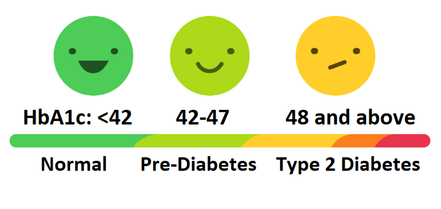
If you're at risk of developing type 2 diabetes, your target HbA1c level should be below 42mmol/mol (6%).
HbA1c can be used to diagnose Pre-Diabetes or Diabetes. If you have no symptoms (e.g. thirst, weight loss) then two readings of 48 or above are needed to make a diagnosis of Type 2 Diabetes.
What does HbA1c mean?
HbA1c is what’s known as glycated haemoglobin. This is something that’s made when the glucose (sugar) in your body sticks to your red blood cells. Your body can’t use the sugar properly, so more of it sticks to your blood cells and builds up in your blood. Red blood cells are active for around 2-3 months, which is why the reading is taken quarterly.
A high HbA1c means you have too much sugar in your blood. This means you’re more likely to develop diabetes complications, like serious problems with your eyes and feet.
Knowing your HbA1c level and what you can do to lower it will help you reduce your risk of devastating complications. This means getting your HbA1c checked regularly. It’s a vital check and part of your annual review. You’re entitled to get this test at least once a year. But if your HbA1c is high or needs a little more attention, it’ll be done every three to six months.
Lots of factors can contribute to someone being at risk of or diagnosed with type 2 diabetes. With the right support there are some things that you can change, but others you can’t.
You can find out the level of your own risk of type 2 diabetes and what to do to lower it by putting information into this Know Your Risk of type 2 diabetes tool and getting the results. It’s free and only takes two or three minutes. You'll need to know your height, weight and waist measurement.
Some factors put you at increased risk of type 2 diabetes that you can’t change, such as your age and ethnicity or medical history.
But the main things you can do to lower your chance of developing type 2 diabetes is to eat more healthily, lose weight if needed so you have a healthy weight and healthy waist size and move more and exercise.
Looking after your weight and being more active makes it easier for your body to manage your blood sugar levels and help prevent insulin resistance, which can lead to type 2 diabetes.
Control of Blood Glucose Concentration
Learn how the body controls it's blood glucose concentration using the hormones insulin and glucagon. You'll also see how these two hormones interact in a negative feedback loop.
The Signs You Might Be Insulin Resistant (Does your Doctor know these?)
Take a moment to watch this interesting video by Dr Dan Maggs.
5 Ways to Lower Insulin Levels
Take a moment to watch this interesting video by Dr Dan Maggs.
Lower Carbohydrate Diet
All carbohydrates are broken down into sugar and therefore by reducing the amount of carbohydrate in your diet you can reduce your sugar levels. Ultimately this can help prevent and treat Type 2 Diabetes in a lot of people.
Prediabetes online educational programme
We have created an online educational programme to provide knowledge and guidance to our patients in the hope of preventing type 2 diabetes and to reverse prediabetes.
The programme is broken down into 8 parts that you can work through at your own pace. You'll be able to access the programme at a time to suit you and you'll be able to revisit if you feel you need to refresh your knowledge.
It's better to work through the programme step by step, so starting at part 1 and completing the focus of the week for each week before moving onto the next part. All the parts follow on from the previous and take you on a journey of knowledge. We hope you find this useful.
Part 1 - Introduction to prediabetes
Part 2 - Weight management and physical activity
Part 3 - Healthy eating and portion control
Part 4 - Understanding food labels
Part 5 - Stress, mood and sleep
Part 6 - Understanding cholesterol
Part 7 - Understanding hypertension
Want more information?
-
Check out the Healthy Eating Tips and Weight Management pages.
-
Speak to your GP, Nursing team or Health & Wellbeing Team
-
Check out the following websites for other information.
TEDX TALK: Reverse Insulin Resistance By Ignoring the Guidelines: Here
Dr Dan Maggs on weight management and why diets often don't help: Here
Freshwell Low Carb Site: Here
How much sugar is in what you eat? Here
Videos from Diabetes UK: What is Diabetes
Your guide to Type 2 Diabetes
Information source: Diabetes.org.uk