
Prediabetes symptoms and how to reduce the risks
What is Prediabetes?
Prediabetes is a condition where your sugar levels are sightly higher than normal but not as high as would suggest a diagnosis of Type 2 Diabetes. Having Pre-Diabetes shows that your body is struggling to deal with the level of sugar in your blood. This can be associated with being overweight and having too much fat in the liver and pancreas.
Diagnosing Prediabetes
We know that for some people hearing prediabetes can feel as though a diagnosis of type 2 diabetes is inevitable, but many people can reduce their risk of type 2 diabetes and it may be possible to prevent or delay the condition developing.
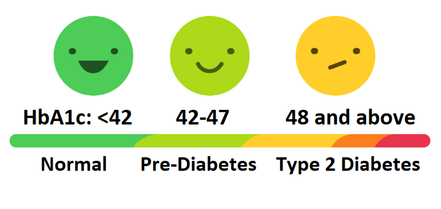
If you’re worried about prediabetes you could call your GP surgery and ask for a blood test. The most common test will be checking your HbA1c levels which is your average blood glucose (sugar) levels for the last two to three months. If your HbA1c level is between 42mmol/mol (6%) – 47mmol/mol (6.4%) this means it is higher than normal and you are at risk of developing type 2 diabetes.
Prediabetes symptoms
Prediabetes doesn’t have any symptoms. If you start to have any of the symptoms of type 2 diabetes it means you have probably already developed it.
So it’s important to know the risk factors and what support is available that could help you prevent or delay type 2 diabetes.

A lot of people don’t get any symptoms when it comes to type 2 diabetes, or don’t notice them.
But you may notice:
-
going to the toilet more often, especially at night
-
feeling more tired than usual
-
losing weight without trying
-
genital itching or thrush
-
cuts and wounds taking longer to heal
-
blurred vision
-
feeling extremely thirsty.
Causes of Prediabetes
If you’ve been told you have prediabetes, this is a warning sign that you are at high risk of developing type 2 diabetes. The good news is you don’t have it yet, and with the right support up to 50% of cases of type 2 diabetes can be prevented or delayed.
Type 2 diabetes happens because insulin can’t work properly or the insulin your body makes doesn’t work properly, so your blood sugar levels keep rising. This means more insulin is released. For some people with type 2 diabetes this can eventually tire the pancreas out, meaning their body makes less and less insulin. This can lead to even higher blood sugar levels.
That’s why it’s very important to know the risk factors:
-
You’re more at risk if you’re white and over 40 or over 25 if you’re African-Caribbean, Black African, or South Asian.
-
You’re two to six times more likely to get type 2 diabetes if you have a parent, brother, sister or child with diabetes.
-
Type 2 diabetes is two to four times more likely in people of South Asian descent and African-Caribbean or Black African descent.
-
You’re more at risk if you’ve ever had high blood pressure.
-
You’re more at risk of type 2 diabetes if you’re living with overweight or obesity.
Being at risk doesn’t mean you will definitely develop type 2 diabetes. Now is a great time to start making healthy changes to the foods you eat and your activity levels to reduce your risk of type 2 diabetes.
Annual HbA1c Check
Each year a person with Prediabetes should have an HbA1c blood test. The test might be done along with some other tests or you may receive a specific invitation for this test. It's very important that you accept the invitation for your annual check. Do you know when your last test was, or what your last result was? Use the information below to help you interpret your result.
Preventing type 2 diabetes
Whilst type 1 diabetes cannot be prevented, type 2 diabetes is largely preventable through lifestyle changes. Around nine out of ten people with diabetes have type 2, which is a leading cause of preventable sight loss in people of working age and is a major contributor to kidney failure, heart attack, and stroke.
We have created an online educational programme to provide knowledge and guidance to our patients in the hope of preventing type 2 diabetes and to reverse prediabetes.
The programme is broken down into 8 parts that you can work through at your own pace. You'll be able to access the programme at a time to suit you and you'll be able to revisit if you feel you need to refresh your knowledge.
It's better to work through the programme step by step, so starting at part 1 and completing the focus of the week for each week before moving onto the next part. All the parts follow on from the previous and take you on a journey of knowledge. We hope you find this useful.
Part 1 - Introduction to prediabetes
Part 2 - Weight management and physical activity
Part 3 - Healthy eating and portion control
Part 4 - Understanding food labels
Part 5 - Stress, mood and sleep
Part 6 - Understanding cholesterol
Part 7 - Understanding hypertension
Part 8 - Keeping a healthy lifestyle going


Prediabetes online educational programme
Healthier You NHS Diabetes Prevention Programme
If you are at high risk of developing Type 2 diabetes, you may be eligible
for referral to your local Healthier You service. This NHS-funded programme can support you to make simple changes to your diet, weight management and physical activity levels. They are easy to incorporate into your everyday routine and can significantly reduce your risk of diabetes-related health problems.
Usually your GP will offer you this programme at the time of diagnosis, but
you can still take part if you turned down the offer at that time if you meet all
of the following criteria:
-
Aged 18 years or over
-
Not currently pregnant
-
Do not currently have diabetes


You can sign up to a virtual Eventbrite meeting to discuss the programme here
For further information on this programme https://preventing-diabetes.co.uk/about-the-programme/